
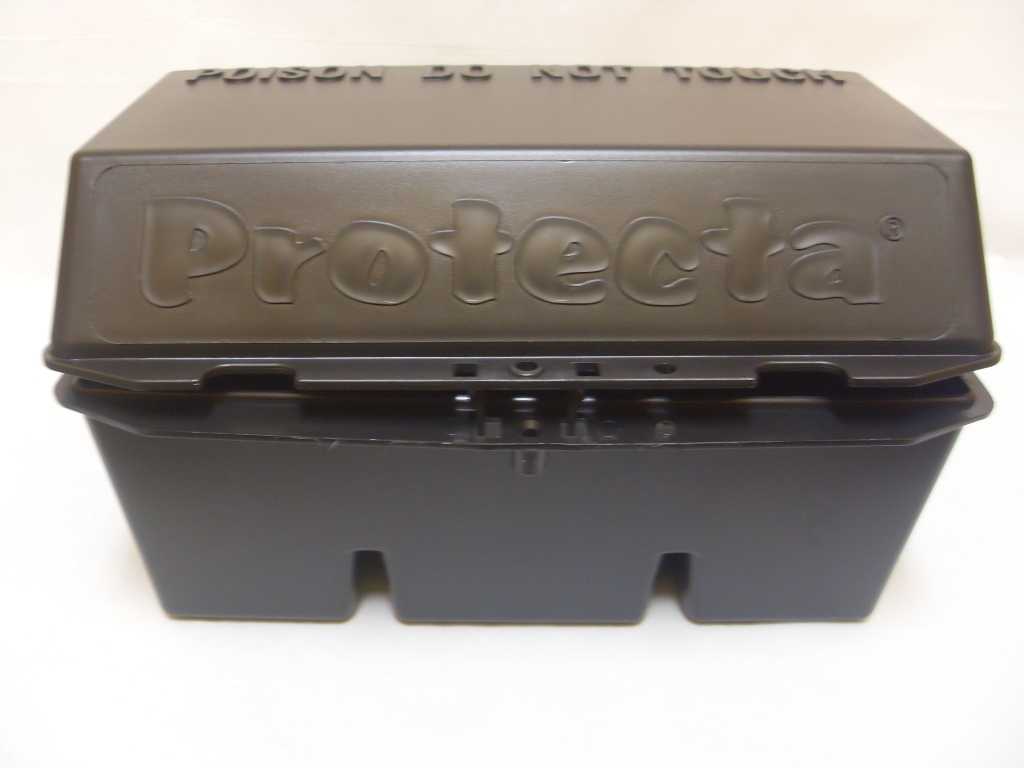
Protecta Tamper Resistant Bait Station – Black
Protecta Tamper Resistant Bait Station – Black is large enough to accommodate six rats and holds up to one pound/450g of bait, a pint/475ml of liquid bait, or a T-Rex Rat Trap.
Protecta Tamper Resistant Bait Station – Black is large enough to accommodate six rats and holds up to one pound/450g of bait, a pint/475ml of liquid bait, or a T-Rex Rat Trap.
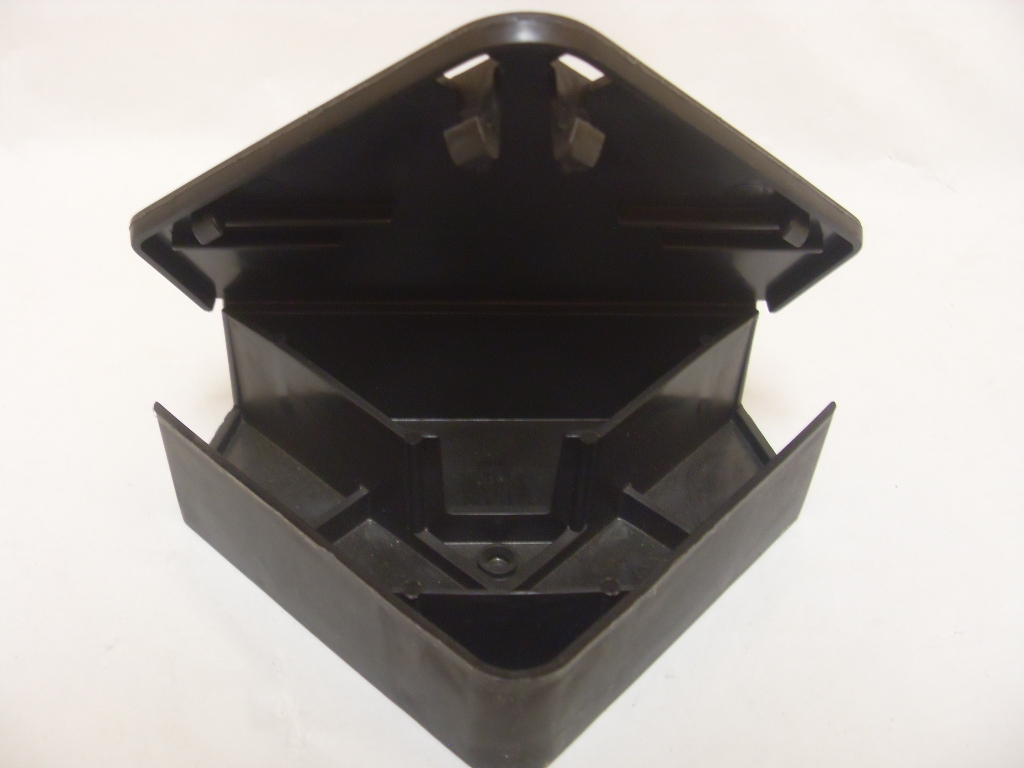
Protecta RTU Mouse Bait Station holds 1 oz., 28g, 20g and 15g BLOX baits.
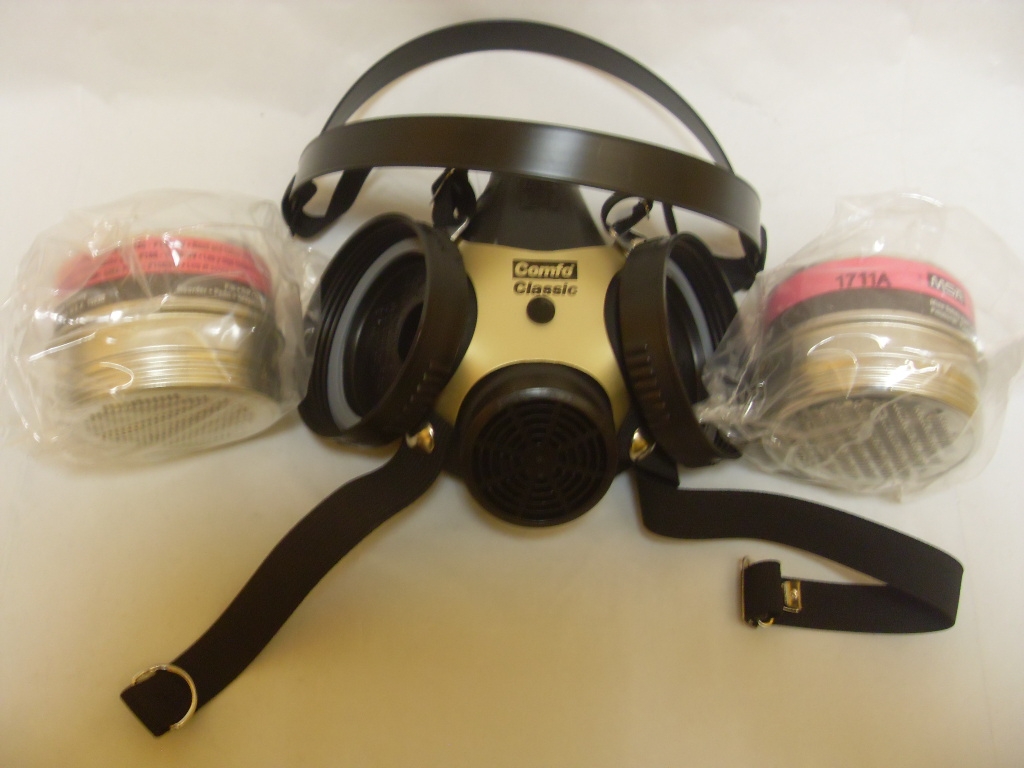
Comfo Classic Respirator Kit MSA-808073 GMA-P100 contains one(1) of MSA-808073 + two(2) of GMA-P100 (#815178) cartridges.
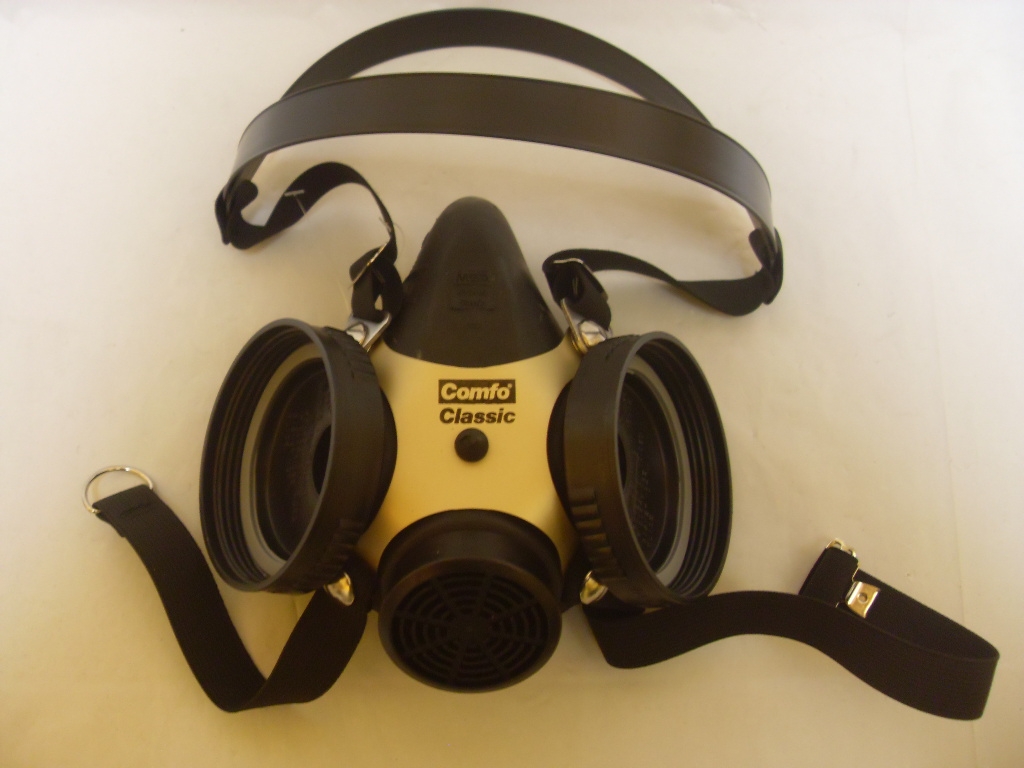
Comfo Classic Respirator MSA-808073, featuring new SoftFeel facepiece material, which increases the comfort factor dramatically.
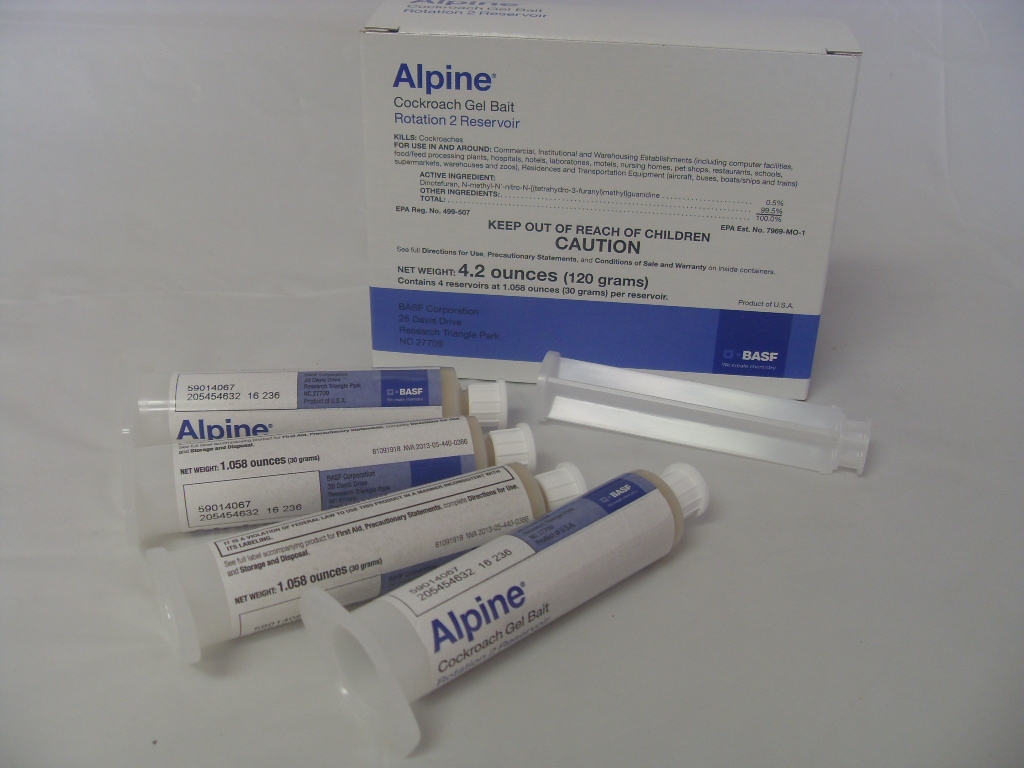
Alpine Cockroach Gel Bait Rotation 2 Reservoir – 4 x 30 Grams makes it easier than ever to show that you’re controlling their roach problems and minimizing their health and allergy risk.
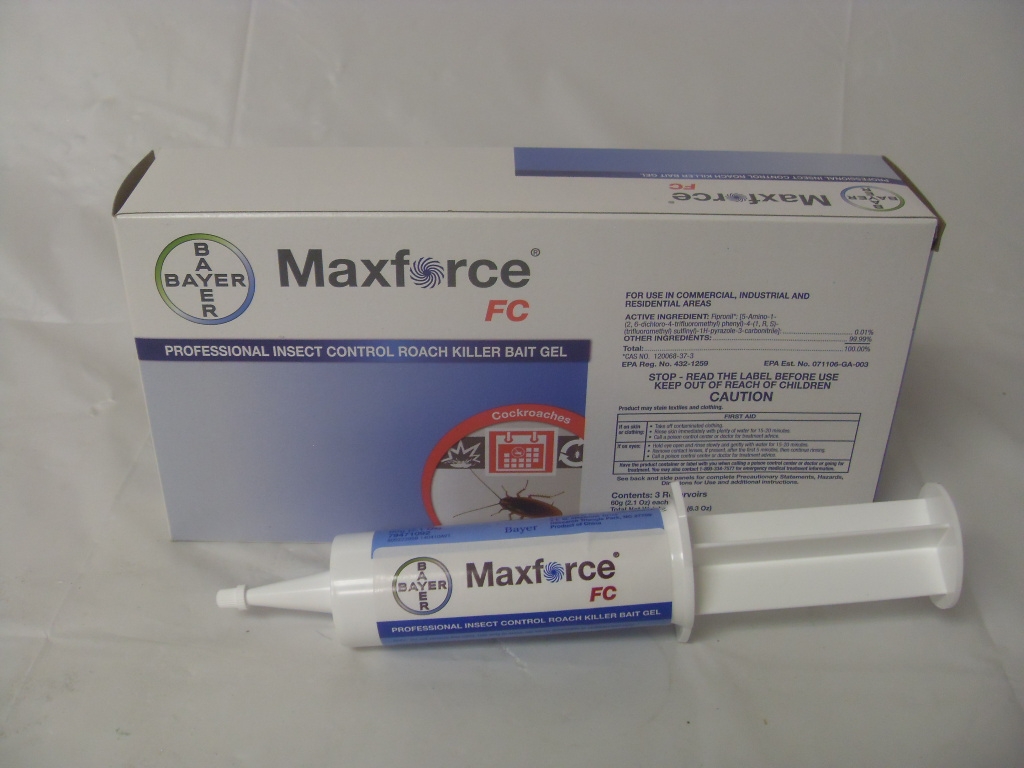
Maxforce FC Roach Bait Gel 60 Gram Tube comes in a sixty-gram tube and it is effective to all kinds of roaches.
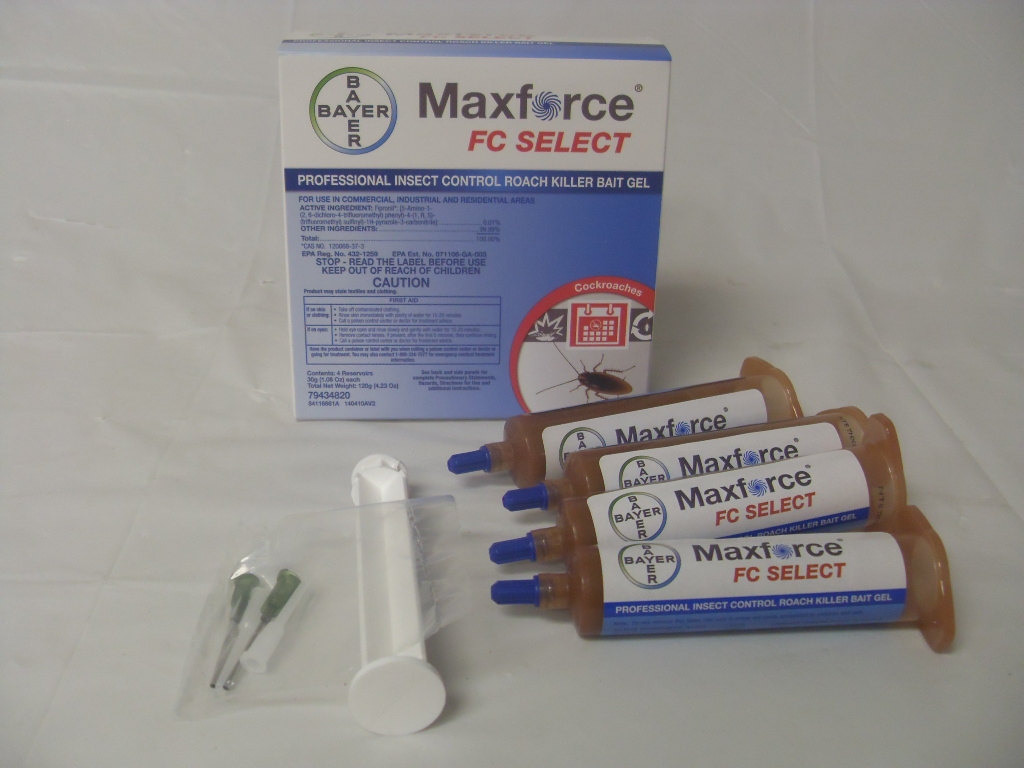
Maxforce FC Select Roach Bait Gel – 4 x 30 Grams kills contains 0.01% fipronil that will kill even the most bait adverse and finicky roaches.
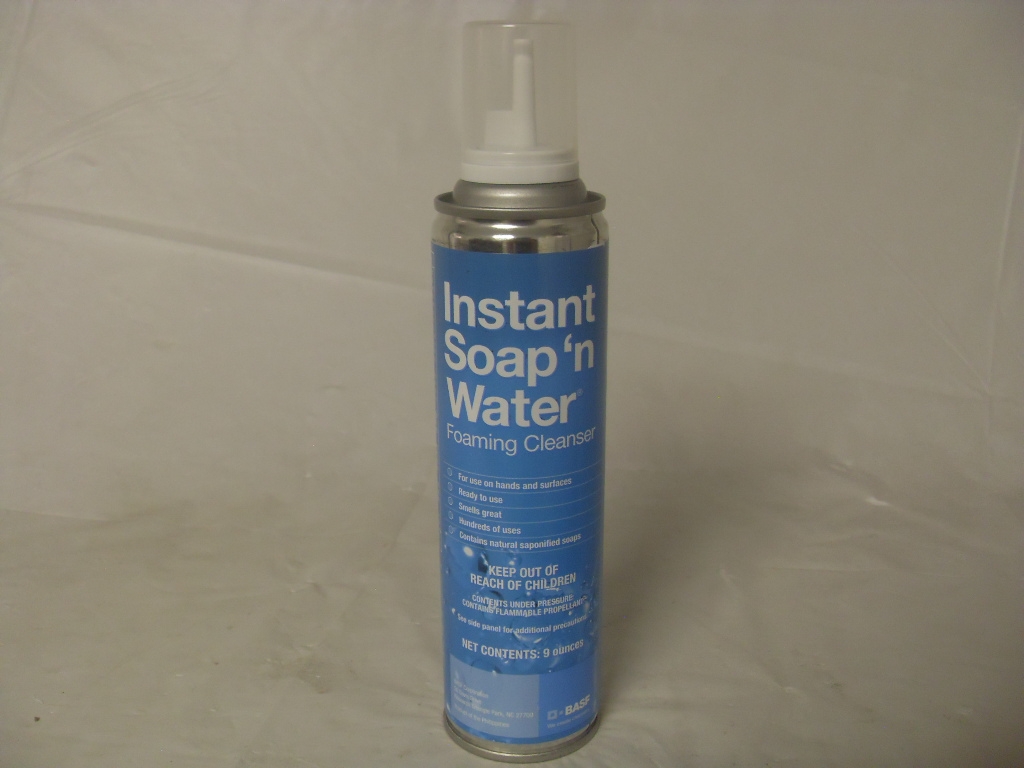
Instant Soap N Water Foaming Cleanser – 9 Oz Can is a great foaming cleanser for use on hands and surfaces
Soil pH refers to the degree of acidity (sourness) or alkalinity (sweetness) of soil. The pH scale has been adapted as the measure of acidity or alkalinity. This scale ranges from 0 to 14, with 7 being neutral. Numbers below 7 are acid, above 7 are alkaline. All plants have a particular range of pH in which they grow best. At pH values higher than are optimum for a particular plant, fertilizer in the soil can not be properly utilized. High pH is very common in Florida soils, particularly along coastal areas. This problem shows most often in “acid loving” plants such as Azaleas, Camellias, Gardenias, Holy, Ixora, Magnolia and certain grasses such as Bahia. High pH usually shows as yellowing of foliage or an iron deficiency.
Don’t leave the Tree leaves. you can’t grow healthy turf grass under a mat of tree leaves.
Many turf pros make two fertilizer applications to prepare turf grass for winter. They schedule one in late August or September to aid in recovery from drought and heat stress, and another in October or November. Fertilizing turf grass in the late fall keeps it greener than unfertilized turf grass during the winter, and speeds spring green-up by two to six weeks. The enhanced rate of spring greening occurs without stimulating excessive shoot growth, in fact, far short of what takes place with early spring fertilization. Early fall and winter boost of fertilizer will cause the grass to continue growing and thicken (as you know “winterizing”).