
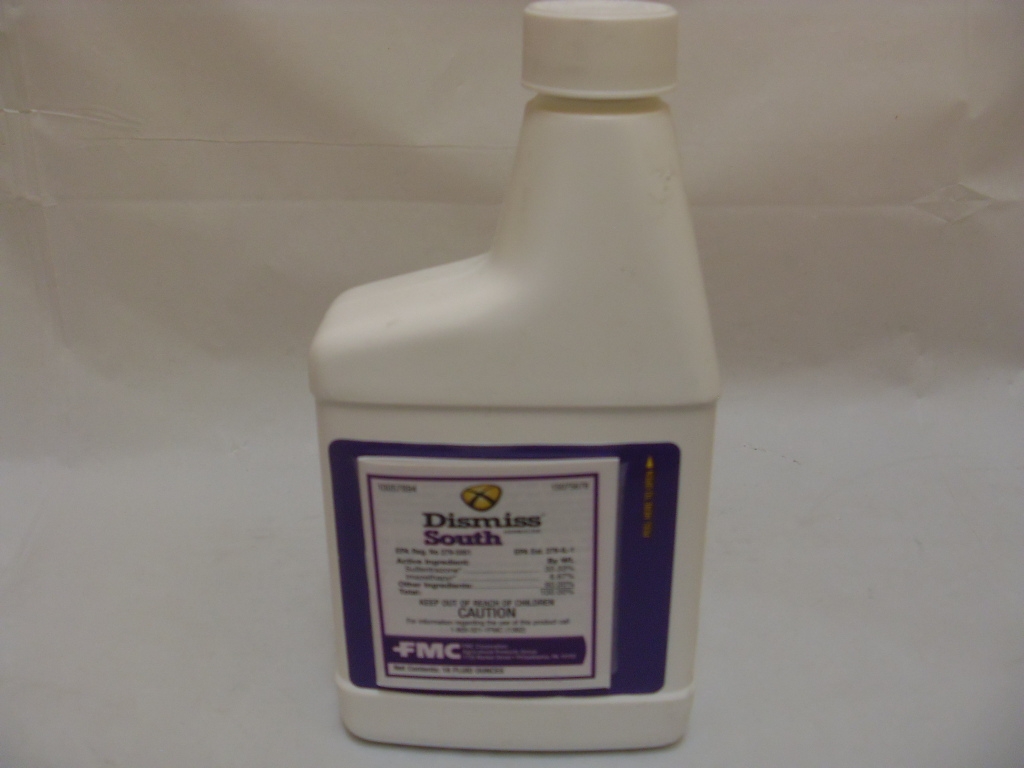
Dismiss South Herbicide – 16 Oz
Dismiss South Herbicide – 16 Oz for better, faster control against purple nutsedge in warm-season grasses.
Dismiss South Herbicide – 16 Oz for better, faster control against purple nutsedge in warm-season grasses.
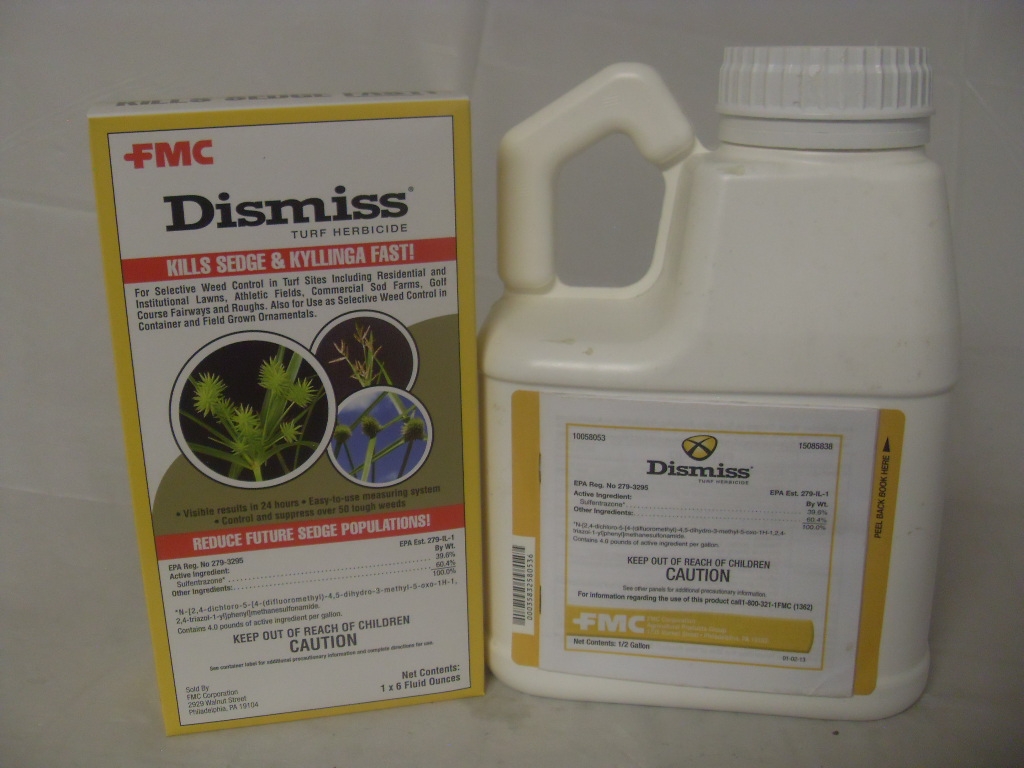
Dismiss Turf Herbicide Sulfentrazone – 6 – 64 Oz use for all grass with visible results on sedges and kyllinga.
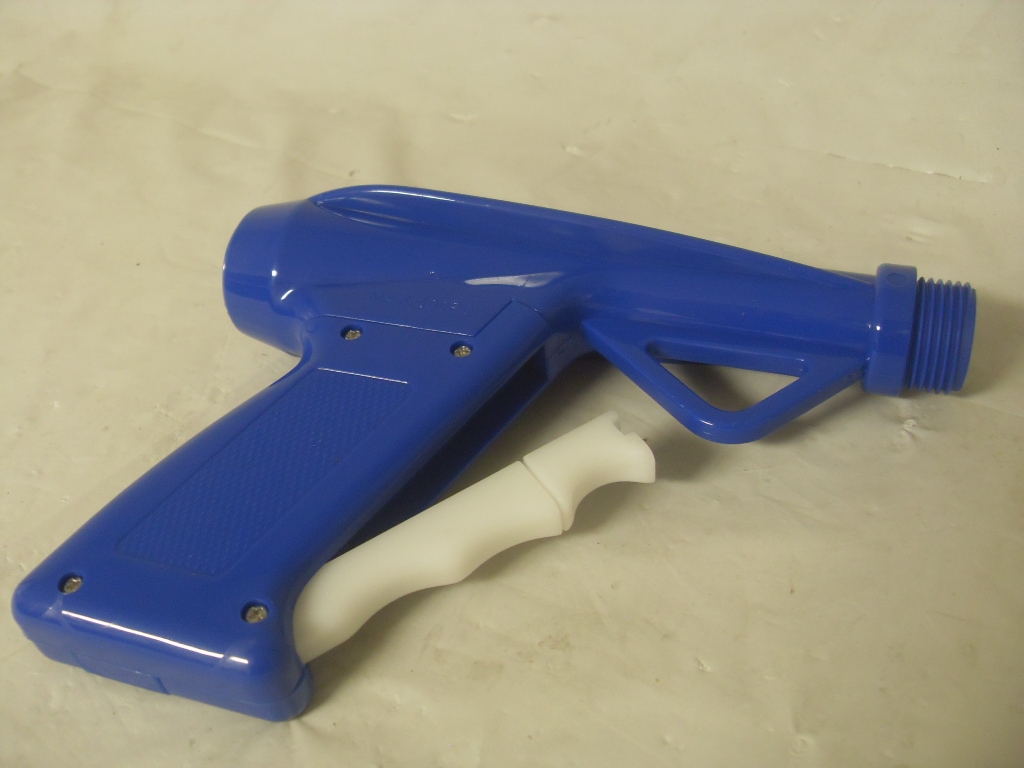
GNC Mag-2000 Lawn Spray Gun is the light weight design for your lawn and garden

Sedgehammer Plus Herbicide Prosedge – 0.5 Oz (13.5 Grams) controls nutsedge by moving through the plant and affecting the underground growing points (rhizomes and tubers).
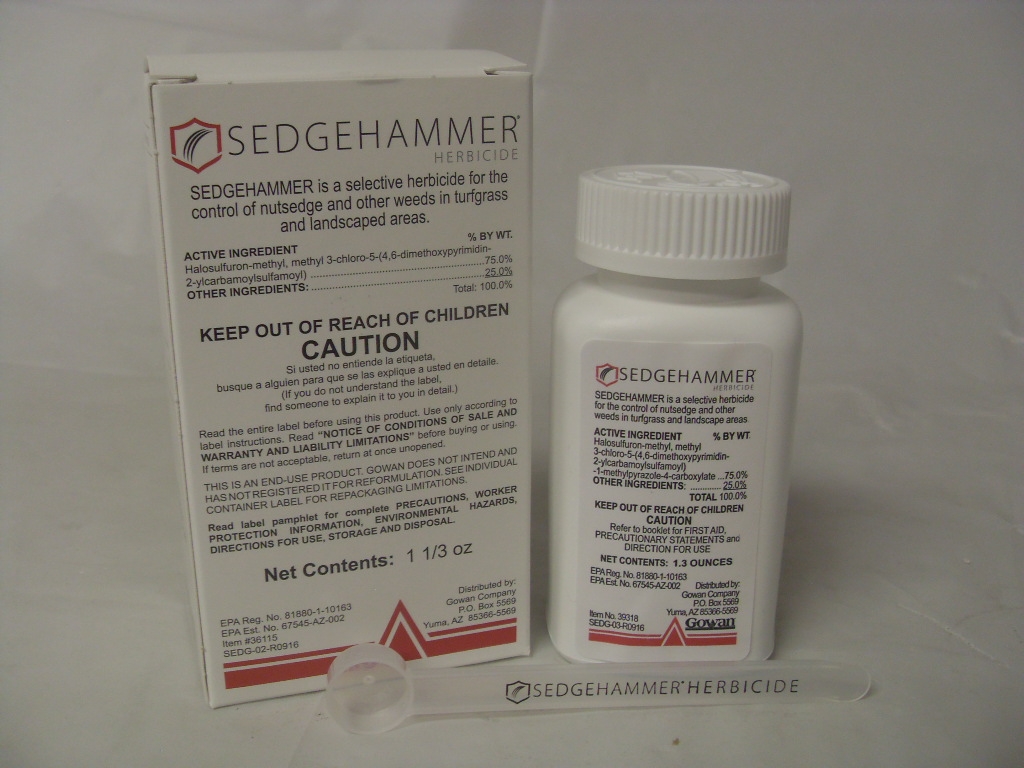
SedgeHammer Turf Herbicide Prosedge – 1.33 oz provides post-emergence control of purple nutsedge, yellow nutsedge, many broadleaf weeds and suppresses kyllinga.
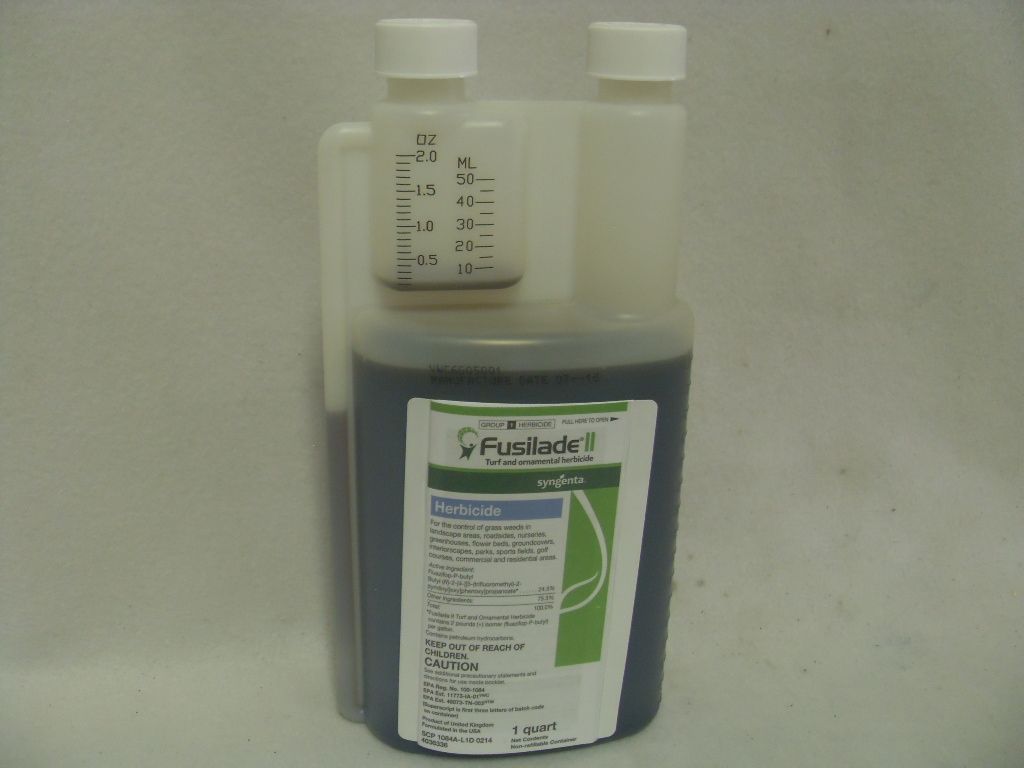
Fusilade II Turf and Ornamental herbicide – Qt controls a long list of both perennial and annual grass weeds in a variety of turf and landscape areas.
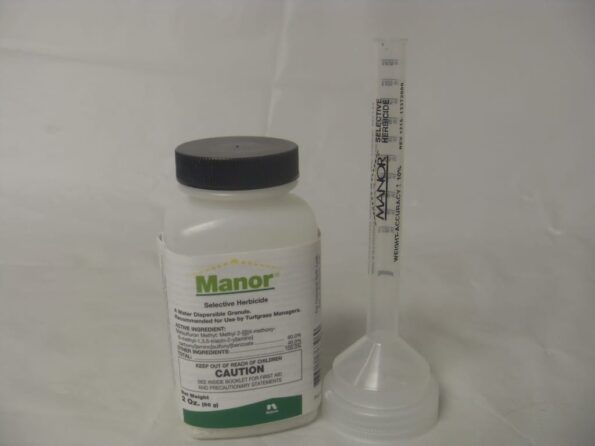
Manor Herbicide Blade MetSulfuron Methyl – 2 oz is a highly selective premium post-emergent herbicide for effective control of grassy and broadleaf weeds in turfgrass.
The U.S. suffered through one of its hottest summers on record. The sweltering temperatures spurred a significant increase in the flea population, which thrives in hot and humid environments. Flea pupae can lay dormant throughout the cold winter months and reawaken during summer if left undisturbed, making the summer and fall months time to take action. If your pets exhibit any signs of having fleas this season, immediate flea removal and extermination is of the utmost importance in order to prevent you and your pets from harm.
BENT GRASS: 4.5 – 6.8 lbs. of nitrogen per 1,000 sq. ft. per year applied in multiple applications of 1/8 to 1/4 lb. of nitrogen. Use higher rates in areas with prolonged growing seasons, areas of high use or “grow in” situations.
Soil pH refers to the degree of acidity (sourness) or alkalinity (sweetness) of soil. The pH scale has been adapted as the measure of acidity or alkalinity. This scale ranges from 0 to 14, with 7 being neutral. Numbers below 7 are acid, above 7 are alkaline. All plants have a particular range of pH in which they grow best. At pH values higher than are optimum for a particular plant, fertilizer in the soil can not be properly utilized. High pH is very common in Florida soils, particularly along coastal areas. This problem shows most often in “acid loving” plants such as Azaleas, Camellias, Gardenias, Holy, Ixora, Magnolia and certain grasses such as Bahia. High pH usually shows as yellowing of foliage or an iron deficiency.