Flea Removal and Proper Tip

The U.S. suffered through one of its hottest summers on record. The sweltering temperatures spurred a significant increase in the flea population, which thrives in hot and humid environments. Flea pupae can lay dormant throughout the cold winter months and reawaken during summer if left undisturbed, making the summer and fall months time to take action. If your pets exhibit any signs of having fleas this season, immediate flea removal and extermination is of the utmost importance in order to prevent you and your pets from harm.

CONTINUE READING ➞

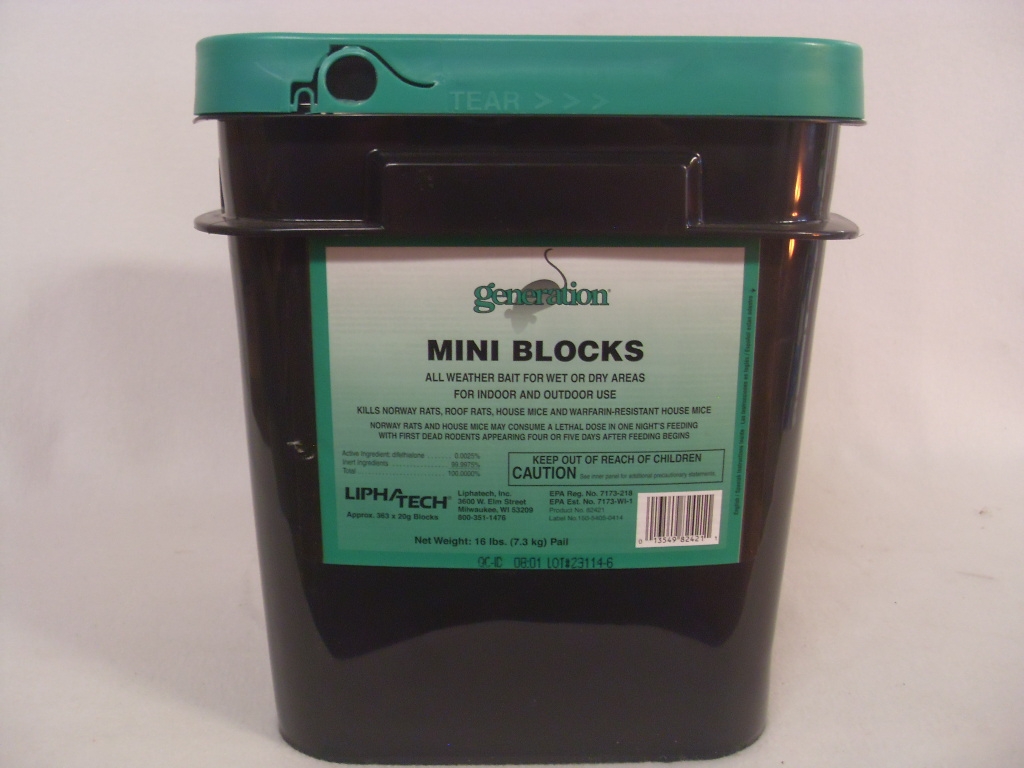
Prevent Rodents Tip Winter

Americans spend more than $4 billion per year just to get rid of them.

“Rodents invade an estimated 21 million homes in the United States every winter,” says Missy Henriksen, an NPMA spokesperson. “But with many places already experiencing cold weather conditions, it is important to be proactive and vigilant in preventing these pests from becoming unwelcome houseguests.”

CONTINUE READING ➞

What kind of pre-emergent herbicide for my turf grass?

One concern with preemergence herbicide use is timing of application. In a typical year, the earliest germinating crabgrass may be killed by subsequent frosts. However, in order to be effective, the preemergence herbicide must be applied before the first crabgrass that germinates following the last frost. It must also be activated by either rainwater or irrigation after application. Typically, they are applied two to three weeks earlier, when an indicator plant, such as Forsythia in the northern United States or dogwoods in South, bloom.

CONTINUE READING ➞

About Soil PH

Soil pH refers to the degree of acidity (sourness) or alkalinity (sweetness) of soil.   The pH scale has been adapted as the measure of acidity or alkalinity.  This scale ranges from 0 to 14, with 7 being neutral.  Numbers below 7 are acid, above 7 are alkaline.  All plants have a particular range of pH in which they grow best.  At pH values higher than are optimum for a particular plant, fertilizer in the soil can not be properly utilized.  High pH is very common in Florida soils, particularly along coastal areas.  This problem shows most often in “acid loving” plants such as Azaleas, Camellias, Gardenias, Holy, Ixora, Magnolia and certain grasses such as Bahia.  High pH usually shows as yellowing of foliage or an iron deficiency.

CONTINUE READING ➞
My Cart
Wishlist
Recently Viewed
Categories