
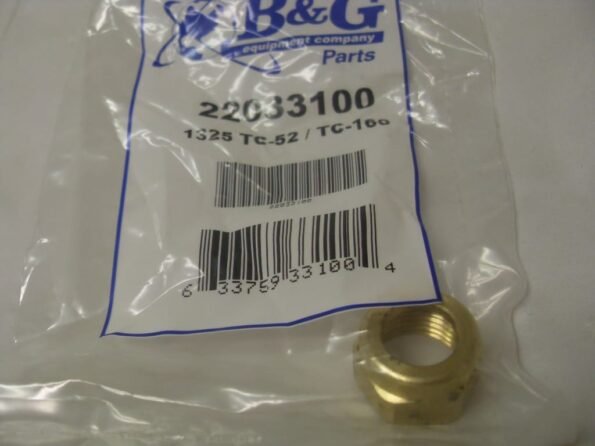
B&G Replacement Tip Cap TC-52 / TC-160 – 1325
B&G Replacement Tip Cap TC-52 / TC-160 – 1325 for use in B&G Extenda Ban Valves 9″, 18″, and B&G Pestpro backpack sprayer is a replacement part.
B&G Replacement Tip Cap TC-52 / TC-160 – 1325 for use in B&G Extenda Ban Valves 9″, 18″, and B&G Pestpro backpack sprayer is a replacement part.
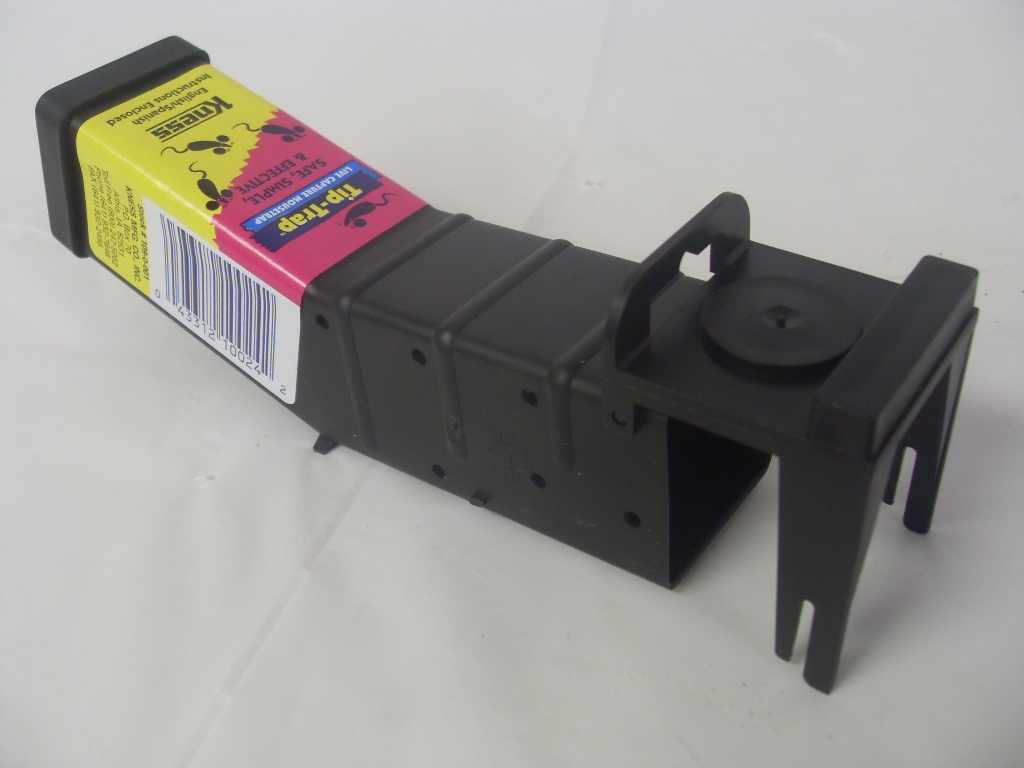
Kness Tip-Trap Live Mousetrap 109-0-001 is safe, simple and effective because it is easy to bait, easy to set, and easy to release.
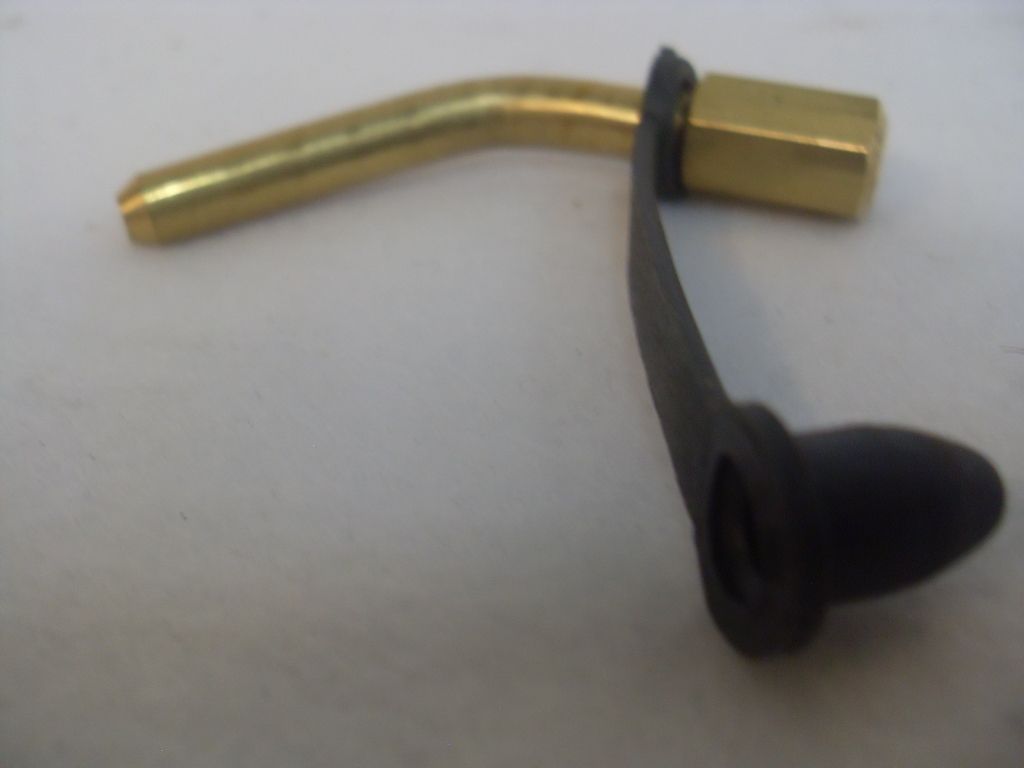
Achieve precision in pest control with the Curved Tip for Centrobulb Professional 14 oz Duster. Perfect for hard-to-reach areas and accurate dust application.
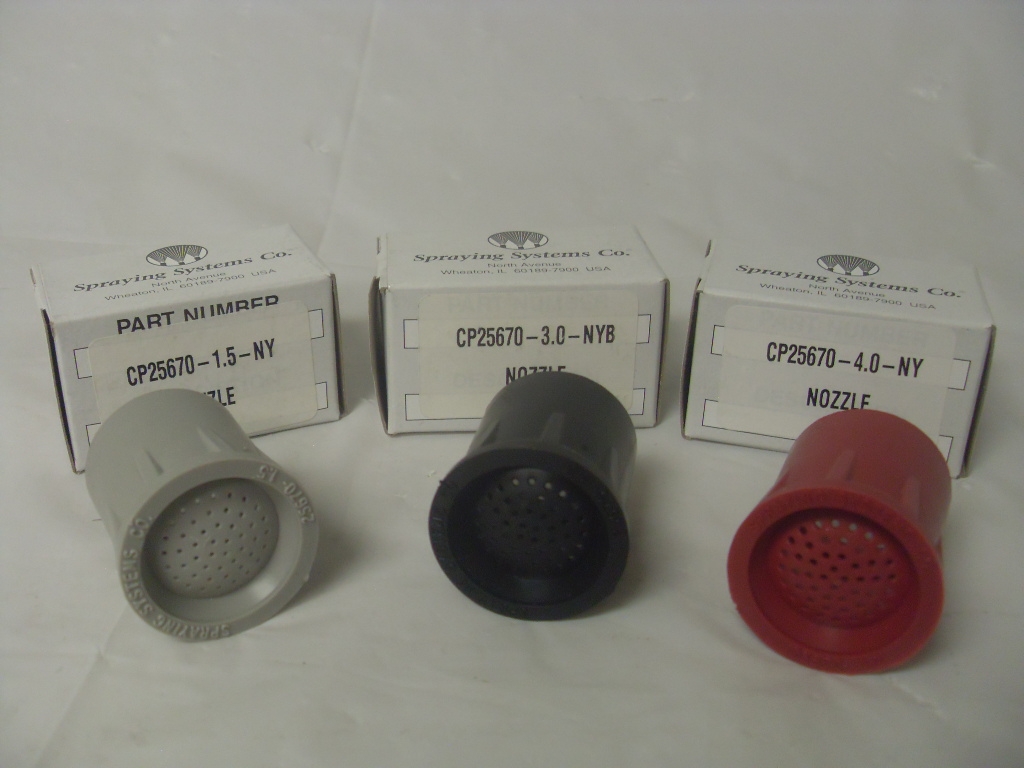
Teejet Nozzle Tip Model 25670 – Grey – Black – Red for Lawn Spray Professional Gun Model 25660
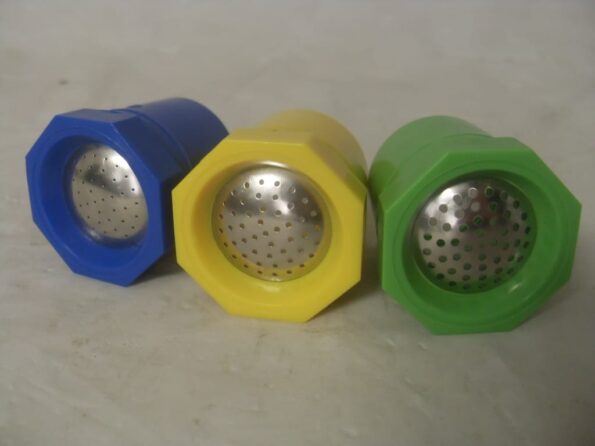
GNC Nozzle Tip for GNC Sprayer Gun like Mag-1, Mag-2000 Lawn Spray Gun
The U.S. suffered through one of its hottest summers on record. The sweltering temperatures spurred a significant increase in the flea population, which thrives in hot and humid environments. Flea pupae can lay dormant throughout the cold winter months and reawaken during summer if left undisturbed, making the summer and fall months time to take action. If your pets exhibit any signs of having fleas this season, immediate flea removal and extermination is of the utmost importance in order to prevent you and your pets from harm.
Americans spend more than $4 billion per year just to get rid of them.
“Rodents invade an estimated 21 million homes in the United States every winter,” says Missy Henriksen, an NPMA spokesperson. “But with many places already experiencing cold weather conditions, it is important to be proactive and vigilant in preventing these pests from becoming unwelcome houseguests.”
You have to use two herbicide separately. If then, you need to waste money and labor.
But, You can use one herbicide over bermudagrass and centipedegrass together. Caliente Herbicide will be answer.
Don’t leave the Tree leaves. you can’t grow healthy turf grass under a mat of tree leaves.
Many turf pros make two fertilizer applications to prepare turf grass for winter. They schedule one in late August or September to aid in recovery from drought and heat stress, and another in October or November. Fertilizing turf grass in the late fall keeps it greener than unfertilized turf grass during the winter, and speeds spring green-up by two to six weeks. The enhanced rate of spring greening occurs without stimulating excessive shoot growth, in fact, far short of what takes place with early spring fertilization. Early fall and winter boost of fertilizer will cause the grass to continue growing and thicken (as you know “winterizing”).
Black Spot is a disease that most often infects roses in warm weather and high humidity. Infection mostly occurs from spores splashing up onto the new growth from the fallen leaves and stems. On occasion, the spores can be brought in by air movement. Therefore, removing infected canes and leaves from the area is the best means of pest control. This disease is easy to recognize.