
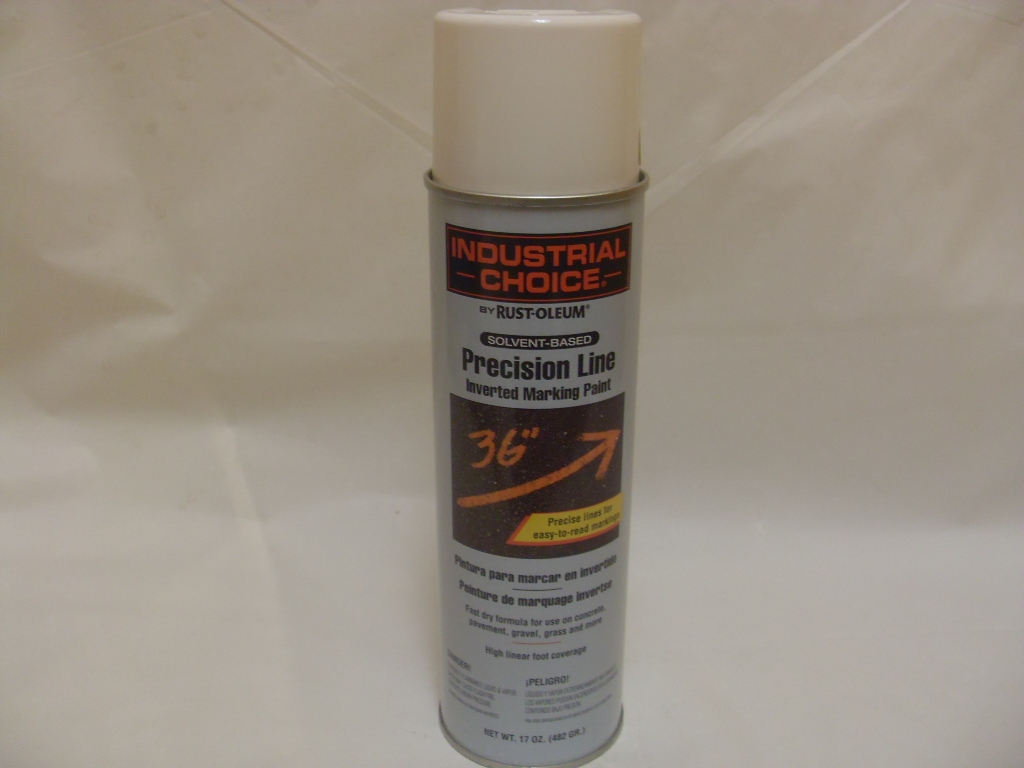
Rust-Oleum Marking Paint Aerosol 17 Oz – Box of 12
Rust-Oleum Marking Paint Aerosol 17 Oz – Box of 12 is a general purpose inverted marking paint thast use for marking concrete, pavement, gravel, grass, and more.
Rust-Oleum Marking Paint Aerosol 17 Oz – Box of 12 is a general purpose inverted marking paint thast use for marking concrete, pavement, gravel, grass, and more.
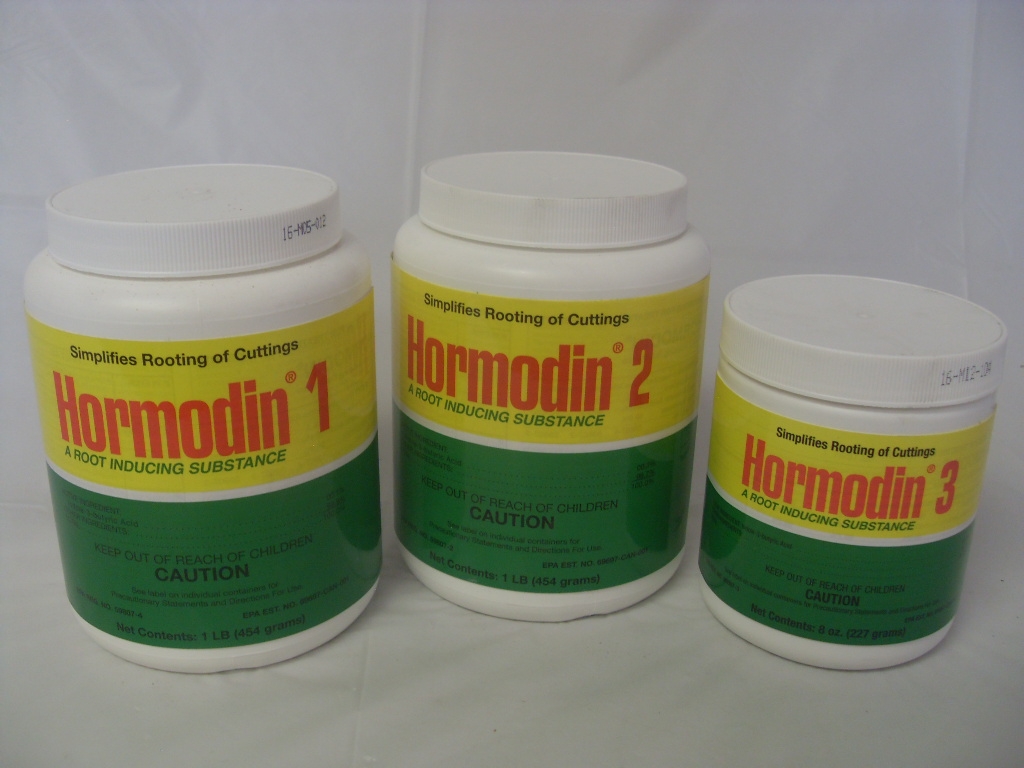
Hormodin Root Inducing Substance – 0.1% – 0.3% – 0.8% is a general purpose powder designed for the home gardener or commercial florist
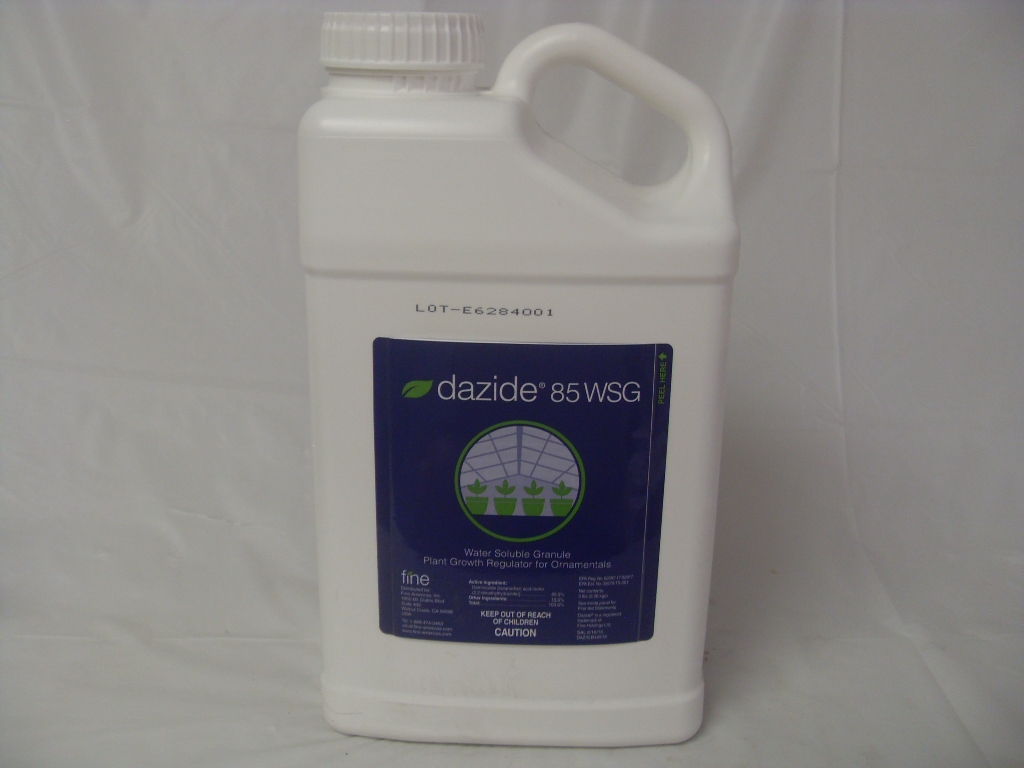
Dazide 85 WSG PGR for Ornamentals – 5 Lbs contains 85% daminozide that controls plant height and promotes flowering of a broad variety of flowering ornamentals.
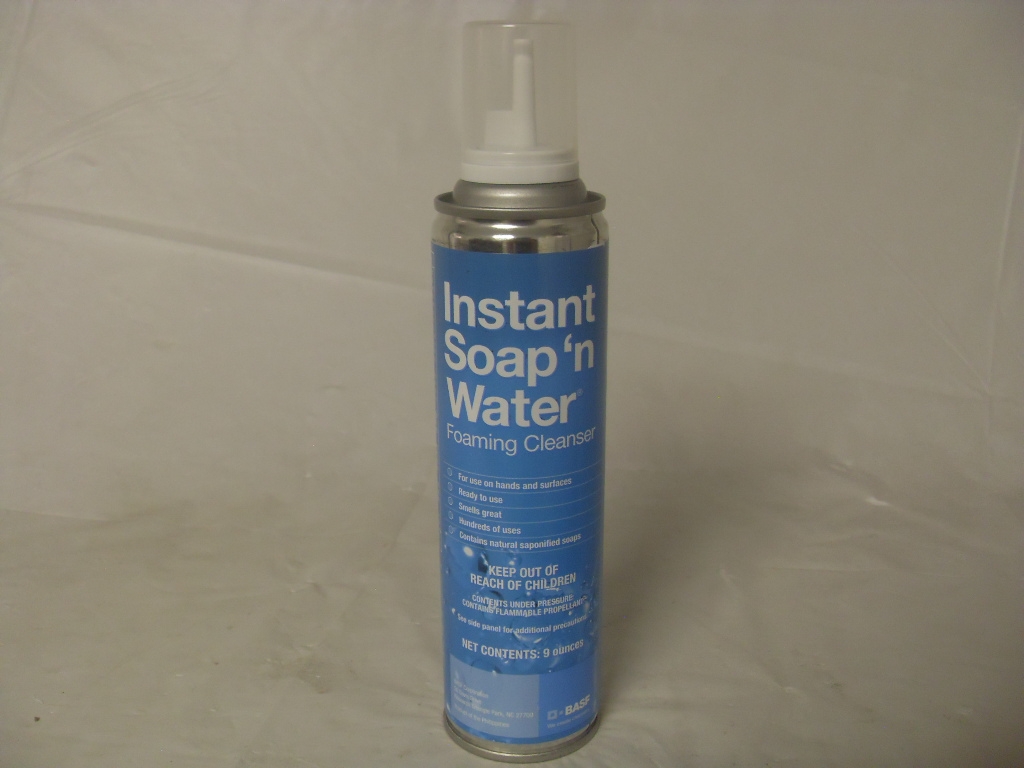
Instant Soap N Water Foaming Cleanser – 9 Oz Can is a great foaming cleanser for use on hands and surfaces
Soil pH refers to the degree of acidity (sourness) or alkalinity (sweetness) of soil. The pH scale has been adapted as the measure of acidity or alkalinity. This scale ranges from 0 to 14, with 7 being neutral. Numbers below 7 are acid, above 7 are alkaline. All plants have a particular range of pH in which they grow best. At pH values higher than are optimum for a particular plant, fertilizer in the soil can not be properly utilized. High pH is very common in Florida soils, particularly along coastal areas. This problem shows most often in “acid loving” plants such as Azaleas, Camellias, Gardenias, Holy, Ixora, Magnolia and certain grasses such as Bahia. High pH usually shows as yellowing of foliage or an iron deficiency.
Termites occur in every state of the United States and parts of Canada. To date, they have not been reported in Alaska. They cause varying degrees of trouble, depending upon the geographical
location. The presence and abundance of termites in an area is determined by several factors including temperature, humidity, soil moisture and soil type. Because subterranean termites rely on soil moisture, they’re affected by soil types. In clay soils, moisture is
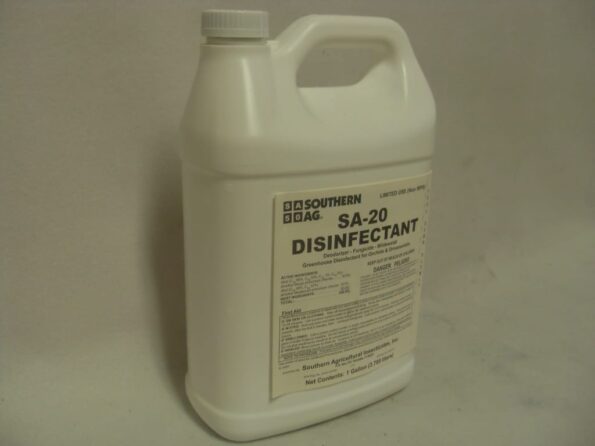
SA-20 Greenhouse Disinfectant Algaecide Fungicide – Gal can be used as greenhouses solution.
Systemic Fungicide (Bayleton)- 1 – 2 TBS per gal (most uses)
Captan Fungicide- 1 – 2 TBS per gal
Liquid Copper Fungicide- 2 tsp per gal
Dithane M-45- 1.5 TBS per gal
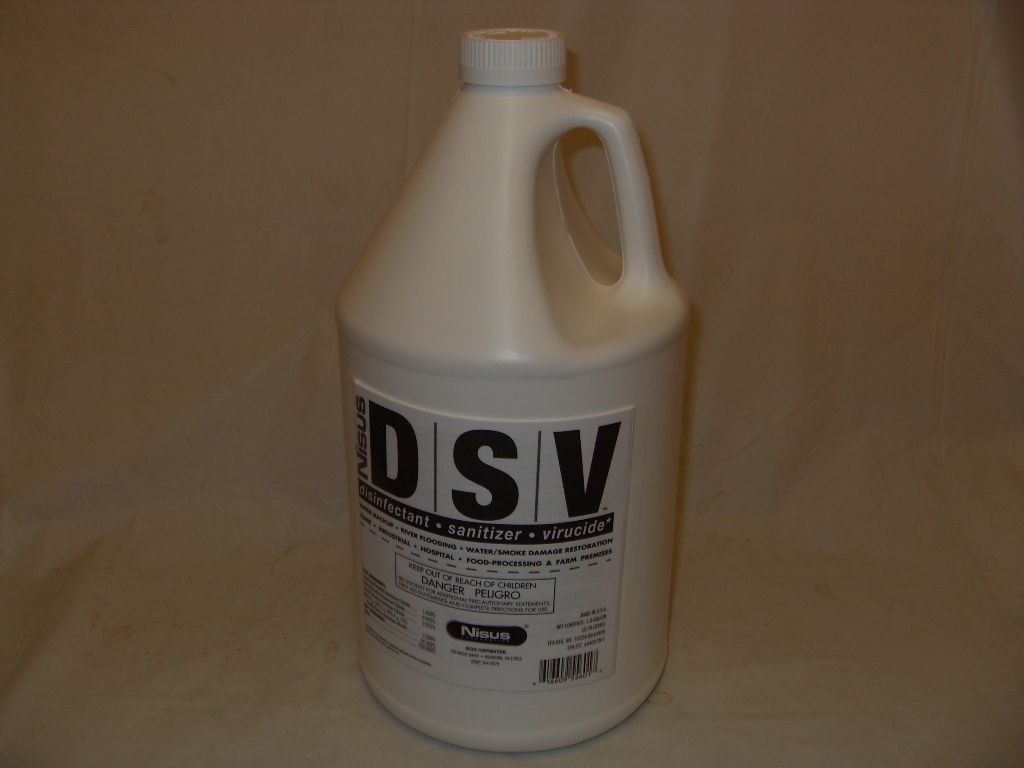
Nisus DSV Disinfectant Sanitizer Virucide Insecticide – Gal is a powerful disinfectant
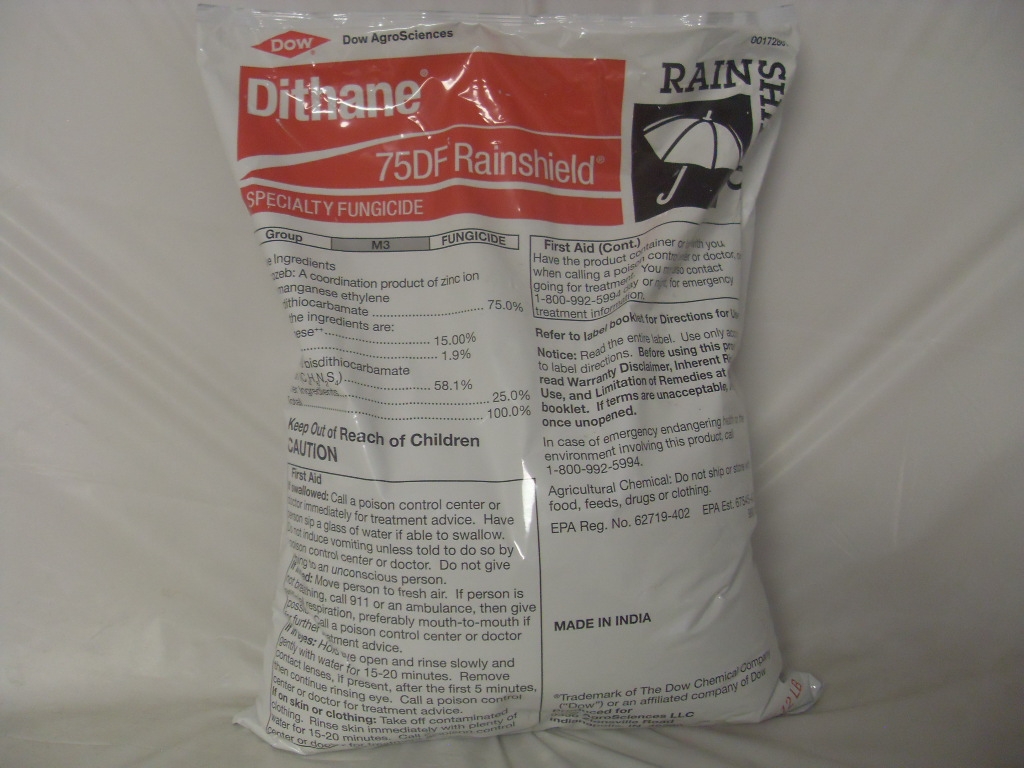
Dithane 75DF Rainshield Mancozeb 75% Fungicide – 12 Lb is a unique broad-spectrum protectant fungicide that offers longerlasting protection and better disease control than other fungicides in its class.